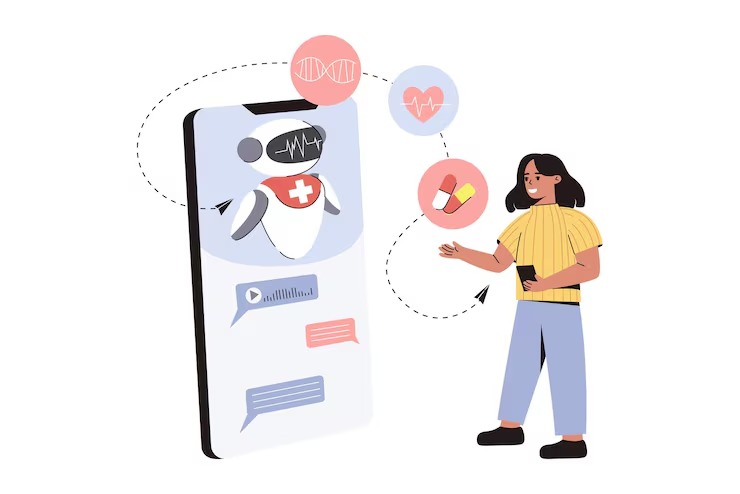
Mental health is no longer confined to clinics and therapy rooms. It’s part of our daily lives, our conversations, and increasingly, our digital interactions. As emotional wellbeing becomes a priority across cultures and generations, technology is stepping in not to replace human care, but to extend its reach.
At the center of this shift is the mental health support bot: a conversational AI designed to offer timely, compassionate assistance. These bots are part of a broader movement toward AI services that prioritize empathy, accessibility, and user agency.
The Emergence of the Mental Health Support Bot
A mental health support bot is more than a chatbot. It’s a responsive, emotionally aware interface that helps users navigate stress, anxiety, and everyday challenges.
These bots are trained on psychological frameworks and designed to offer grounding techniques, reflective prompts, and wellness check-ins. They don’t diagnose or treat, but they do listen, guide, and support especially when human help isn’t immediately available.For many, the bot becomes a first step toward healing. It’s a low-barrier entry point into mental health care, especially for those hesitant to seek traditional therapy.
Expanding Access Through AI Services
The real power of AI services in mental health lies in their scalability. Unlike human practitioners, bots don’t sleep, cancel appointments, or require insurance. They’re available 24/7, offering consistent support across time zones and languages.
These services often integrate with mobile apps, wearables, and digital journals, creating a feedback loop that helps users track mood, sleep, and stress levels.By analyzing patterns and nudging users toward healthier habits, AI services become proactive partners in emotional wellbeing not just reactive tools.
Designing AI as a Platform for Emotional Care
When we talk about AI as a platform, we’re referring to the infrastructure that allows mental health tools to connect, evolve, and personalize.
This platform-based approach enables bots to sync with electronic health records, teletherapy portals, and even crisis response systems. It also allows for modular design so a bot can be tailored to different age groups, cultural contexts, or clinical needs.Importantly, AI as a platform supports continuity of care. A user’s interaction with a bot can inform their next therapy session, medication review, or wellness plan. It’s not just about automation it’s about integration.
AI Agent Healthcare: Behind-the-Scenes Support
While users interact with bots on the surface, AI agent healthcare operates quietly in the background. These agents assist clinicians by summarizing user data, flagging high-risk cases, and streamlining administrative tasks.
For users, this means faster triage, more personalized follow-up, and a sense that their emotional needs are being taken seriously even before they speak to a human.AI agent healthcare doesn’t replace therapists. It empowers them, allowing professionals to focus on what matters most: connection, insight, and care.
Ethical Guardrails and Human Oversight
Mental health is deeply personal, and any technology that enters this space must be held to high ethical standards.
Bots must be transparent about their limitations, protect user privacy, and offer clear pathways to human help. They should never be positioned as substitutes for professional care in moments of crisis.Developers must collaborate with clinicians, ethicists, and users to ensure that mental health support bots are safe, respectful, and inclusive. Regulation is important but trust is built through thoughtful design.
What’s Next for Mental Health Tech
The future of mental health technology isn’t about bots becoming more human. It’s about them becoming more helpful.
We’ll see deeper emotional intelligence, better cultural sensitivity, and more seamless integration with healthcare systems. Bots may become part of daily routines checking in during commutes, offering mindfulness before meetings, or simply asking how you’re feeling.As AI services mature, the line between digital and human support will blur. But the goal remains the same: to make care more accessible, responsive, and compassionate.
Final Thoughts
The rise of the mental health support bot signals a quiet revolution in care. It’s not flashy or disruptive it’s steady, supportive, and deeply personal. By embracing AI as a platform and integrating AI agent healthcare into our systems, we’re building a future where emotional support is not just available, but expected.
Mental health support bots may become part of daily routines checking in during morning coffee, offering breathing exercises before meetings, or simply asking how you are doing.Scalable mental health support relies on more than just smart interfaces it depends on robust, adaptable infrastructure. To deliver seamless experiences across AI services, platforms must support real-time responsiveness, secure data handling, and modular integration. This is where providers like Ment Tech play a quiet but crucial role, enabling the backend systems that power mental health support bots, connect disparate care tools, and support clinician workflows through AI agent healthcare. By strengthening the foundation, they allow emotional care to be more accessible, consistent, and human-centered.
 Site Title
Leave a comment